
Authentication
- Login & signup
- OAuth sign-in
- Sessions & password reset


Search the packs, templates, docs, and pages
An agent can build your first version. The day somebody else opens it, this is a repo they read, not audit.
A
You describe the screen
"Plans and billing, with team seats." That sentence is the entire input.
The rails hold it
Auth, payments and the schema already exist, so the agent fills in screens instead of inventing architecture.
It ships and holds
Real Stripe wiring, tested webhooks. Not a demo that dies the first busy week.
Handoff-ready
The day you hire, they open a repo they read, not audit: features in modules, tests beside code.
Three asks from one build. Pick one to see the screen it produced.
A miss fails lint or typecheck in seconds, and the agent corrects itself instead of asking you what is wrong.
The agent reads the house rules first, never guessing.
What used to be review comments are checks now.
Lint, types and tests run while the agent works.

 on every edit
The shortcuts that become outages are banned outright.
no anyYou were never asked. That is the point.
We sell source code, not hosting. Stop paying us and your app keeps running.
1 day
To a working first version
The agent inherits auth, billing and admin instead of building them.
the ask
features land
live
$0
Platform bill when you ship
An app builder bills while you build, then per user once you are live. Only ours ends.
100%
Of the code is yours to hand over
The person you hire reads a normal repo, not an export.
When you do hire, you pay for features rather than a rewrite.
Not an export. History, migrations and CI included.
Clone it, install it, start it. Two more prove it is clean.
$ git clone you/your-app
$ pnpm install
$ docker compose up -d
$ pnpm dev ✓ ready on localhost:4200
✓ pnpm lint and pnpm typecheck come back clean
A normal monorepo with Docker. No platform can hold it hostage.
Any React or Node developer is already qualified.
The agent inherits all of this instead of building it. It lands in your repo on day one, yours to keep.





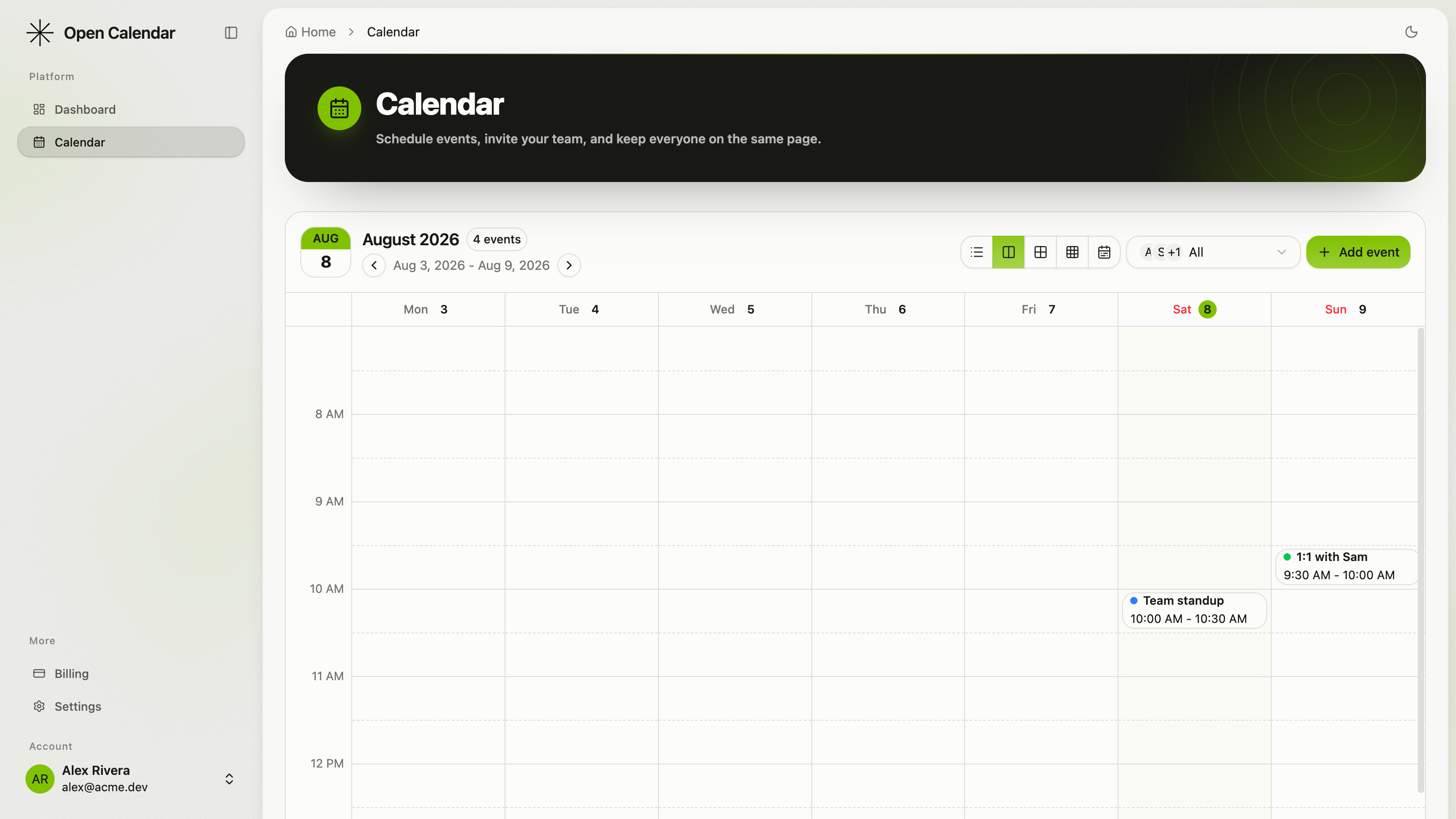
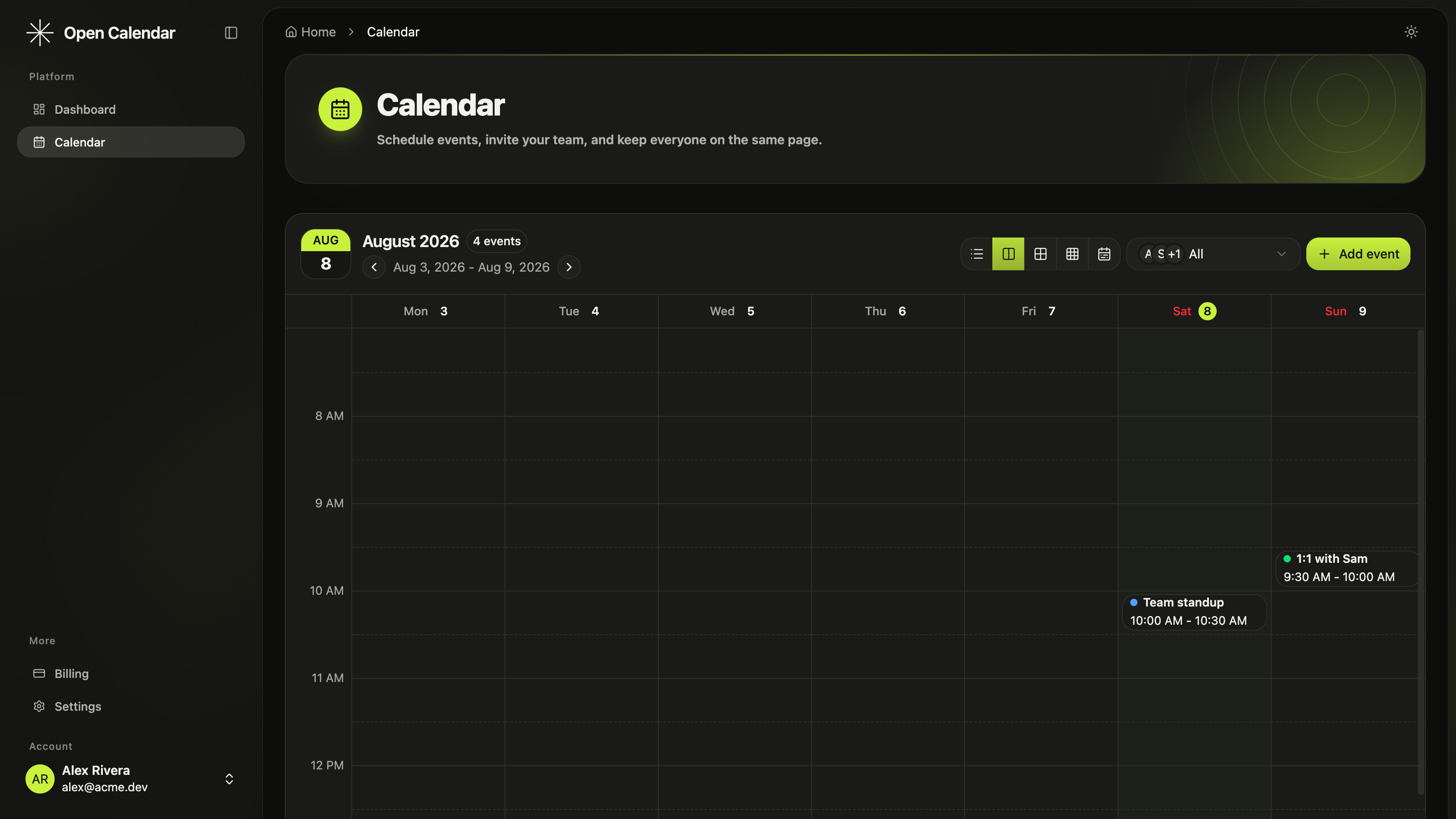
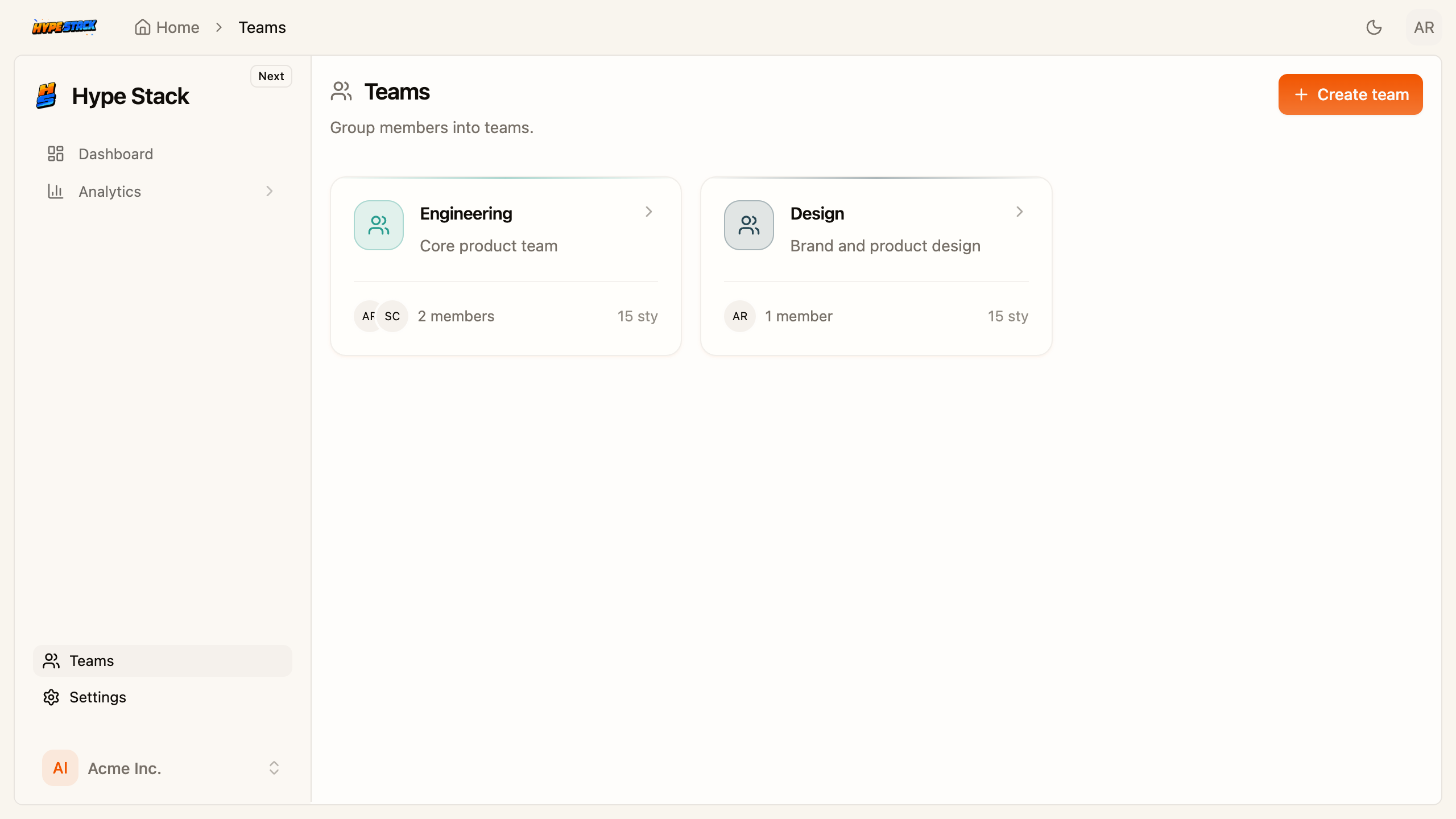
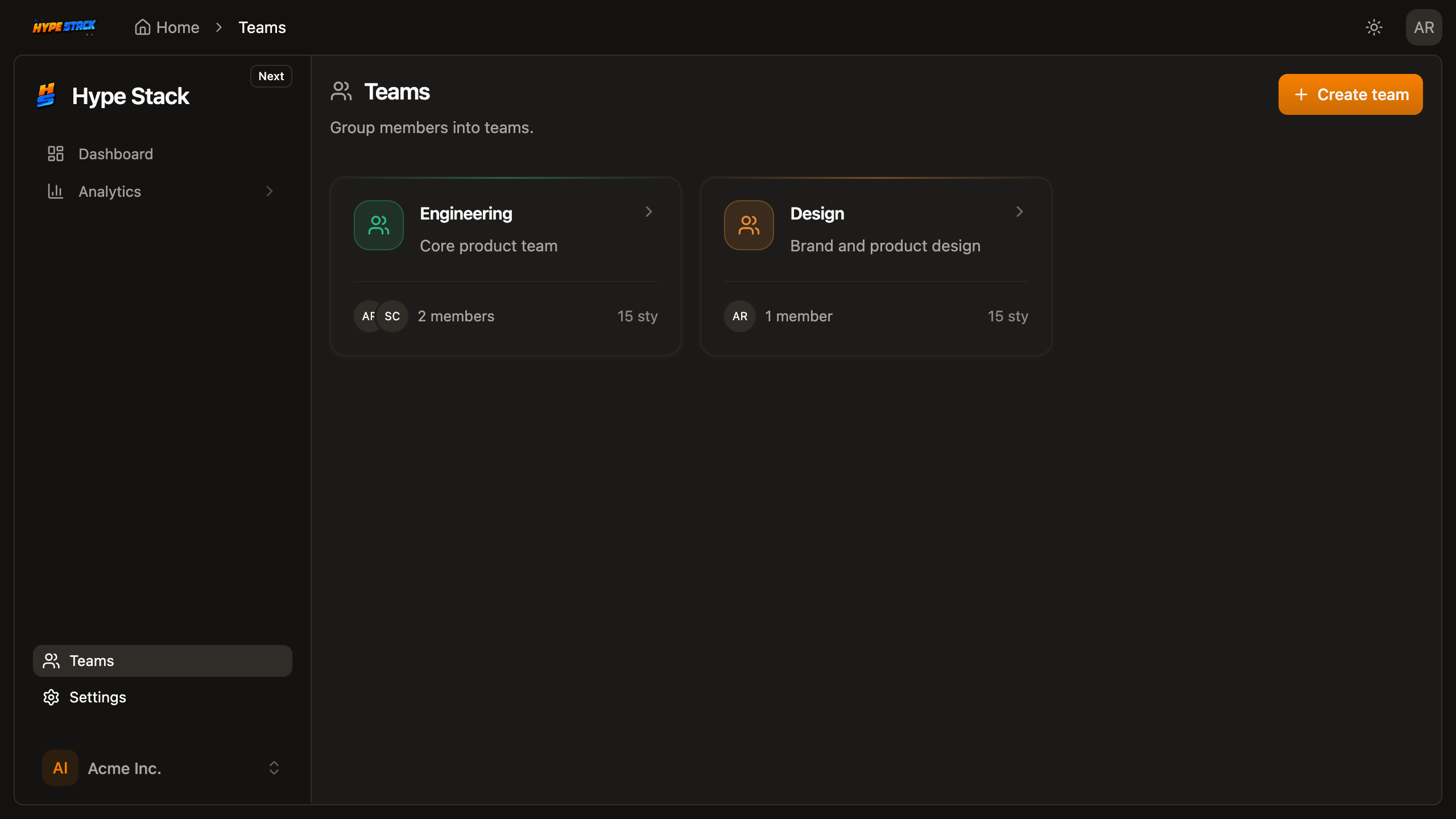
Templates are curated project starters built on this stack: a layout, feature packs, a custom theme, and bonus pages. The previews below are recordings of the real apps.
Same features underneath, different starting point. Either command resolves what the packs depend on, copies the source into your repository, and merges the database schema.
A landing page, a design system, a themed layout, and the features already wired into it. Rebrand it, put your product in the middle, ship.
$ hype-stack compose
Your design and your choices, without rebuilding auth, billing, or notifications. Tick the packs you want and the CLI wires them into the open-source starter.
Build your first version on it. Hand over something a developer will thank you for.
your repo / your database / your host